
Comprehensive Training Guide
Successfully climbing Mount Kilimanjaro requires proper physical preparation, mental readiness, and altitude acclimatization. This comprehensive training plan is designed to help you build the necessary fitness over 12-16 weeks, regardless of your current fitness level.
Our training approach focuses on three key areas: cardiovascular endurance, muscular strength (particularly legs and core), and hiking-specific conditioning. We've developed this plan based on feedback from thousands of successful climbers and consultation with altitude medicine specialists.
Remember that Kilimanjaro is a marathon, not a sprint. The key to summit success is consistent, gradual training that builds your fitness without causing injury. This plan can be adapted based on your schedule, fitness level, and the specific route you've chosen.
Training Principles
- Start training at least 12-16 weeks before your climb
- Focus on consistency rather than intensity
- Gradually increase duration and difficulty
- Include rest days for recovery
- Practice with the gear you'll use on the mountain
- Listen to your body and adjust as needed
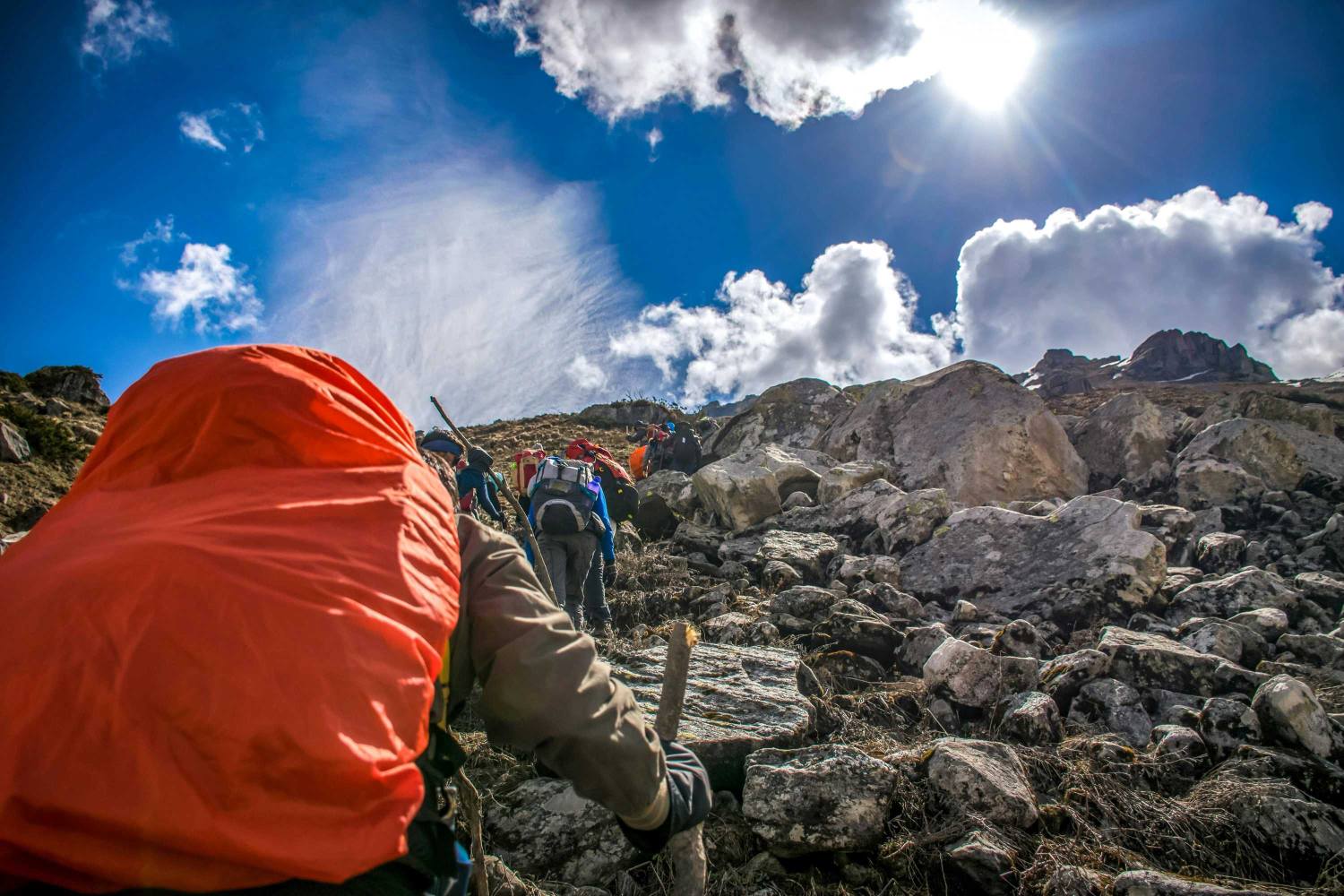
16-Week Training Schedule
Structured preparation for summit success
Weeks 1-4: Foundation Building
Establish a consistent training routine and build basic fitness.
Weekly Schedule:
- Monday: Rest or light stretching
- Tuesday: 30-45 min cardio (running, cycling, or stair climbing)
- Wednesday: Strength training (squats, lunges, core exercises)
- Thursday: 30-45 min cardio
- Friday: Strength training
- Saturday: 1-2 hour hike with light backpack (5-7kg)
- Sunday: Active recovery (walking, yoga, or stretching)
Goals:
- Establish consistent training habit
- Build cardiovascular base
- Develop core and leg strength foundation
- Complete weekly hikes comfortably
Weeks 5-8: Endurance Development
Increase duration and intensity to build hiking endurance.
Weekly Schedule:
- Monday: Rest or active recovery
- Tuesday: 45-60 min cardio with intervals
- Wednesday: Full-body strength training with increased weight
- Thursday: 45-60 min cardio
- Friday: Strength training focusing on legs
- Saturday: 2-3 hour hike with medium backpack (7-10kg)
- Sunday: 1 hour brisk walk or light cross-training
Goals:
- Increase cardio sessions to 60 minutes
- Build leg strength for sustained climbing
- Hike with 10kg backpack comfortably
- Add elevation gain to weekend hikes
Weeks 9-12: Peak Training
Simulate mountain conditions with back-to-back hiking days.
Weekly Schedule:
- Monday: Rest
- Tuesday: 60 min intense cardio (hills or stairs)
- Wednesday: Strength training with focus on endurance
- Thursday: 60 min cardio
- Friday: Active recovery or light strength
- Saturday: 4-5 hour hike with full backpack (10-12kg)
- Sunday: 2-3 hour hike (back-to-back training)
Goals:
- Complete back-to-back hiking days
- Hike with full expedition weight
- Build mental endurance for long days
- Practice "pole pole" (slow and steady) pace
Weeks 13-16: Taper & Final Preparation
Reduce training volume while maintaining fitness and focusing on recovery.
Weekly Schedule:
- Week 13: Maintain peak training intensity
- Week 14: Reduce volume by 20%
- Week 15: Reduce volume by 40%
- Week 16 (Climb Week): Light activity only, focus on rest
- Last 3 Days: Complete rest, hydration, gear check
Goals:
- Allow body to fully recover before climb
- Maintain fitness without fatigue
- Complete final gear preparations
- Focus on mental preparation and strategy